Join JAFA
Be part of our community, building friendships, understanding, and creating new opportunities.

At JAFA, our strength lies in the vision and dedication of individuals who believed in building bridges across cultures. From diplomats and educators to community leaders and scholars, each member of our leadership has played a vital role in shaping JAFA’s journey and inspiring future generations.
Early Japan Experience
Mel Washington is the founding president of JAFA, established in Tokyo in 1981, and the Executive Director of JAFA USA, a 501(c)(3) organization launched to expand the association’s mission across the United States. His formative experience in Japan began in the mid-1970s through AIESEC, where he was placed with the Nagoya Chamber of Commerce. He later studied at Sophia University in Tokyo and graduated from San Francisco State University.
Career in Travel and Cross-Cultural Work
Mel built a career in Japan’s travel industry, working with American Express Travel Services, Unitours, and the Jetours/Caribbean Tour Services–Alizé joint venture, serving both Japanese and international travelers. He lived and worked in several Japanese cities, including Okayama and Nagoya, developing a deep network among universities, cultural institutions, and industry partners.
Community Leadership in the U.S.
While continuing his cross-cultural work, Mel served the local community as president of the San Francisco Black Chamber of Commerce and the Bayview Merchants Association, advocating for small businesses and inclusive economic development.
Leadership at JAFA USA
Today, as Executive Director of JAFA USA, Mel leads programs that:
Connect students and scholars with Japanese counterparts
Convene arts, culture, and history initiatives
Advance sports diplomacy, including the 2027 centennial commemoration of the Philadelphia Royal Giants’ 1927 goodwill baseball tour to Japan
He also oversees JAFA’s bilingual communications, membership development, and partnerships with universities, nonprofits, and private-sector sponsors in both countries.
Commitment to People-First Exchange
A native San Franciscan with lifelong ties to Japan, Mel remains committed to creating pathways for young people, educators, and community leaders to learn from one another and build lasting friendships between the U.S. and Japan.

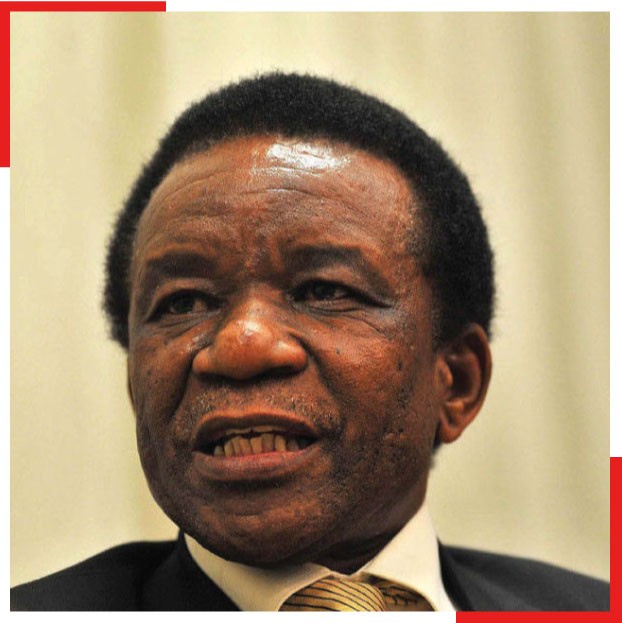
Jerry Matjila is one of South Africa’s most distinguished diplomats, with over four decades of service to freedom, global cooperation, and justice. From his early exile years as an ANC representative to his role as Ambassador to the UN, both in Geneva and New York, and he consistently promotes dignity, equality, and principled diplomacy.
In the early 1980s, while representing the ANC in Asia, he became one of the first international supporters of JAFA. He believes in people-to-people solidarity between Africans, African Americans, and Japanese citizens, recognizing the power of cross-cultural friendships to strengthen wider liberation movements.
He later served as South Africa’s first High Commissioner to India, Ambassador to the EU, and Director‐General of DIRCO, shaping post-apartheid diplomacy. As UN Ambassador, he twice presided over the UN Security Council, leading efforts on peace, conflict resolution, and Africa’s global role. His lifelong commitment to human dignity and multilateralism continues to inspire JAFA’s mission today.
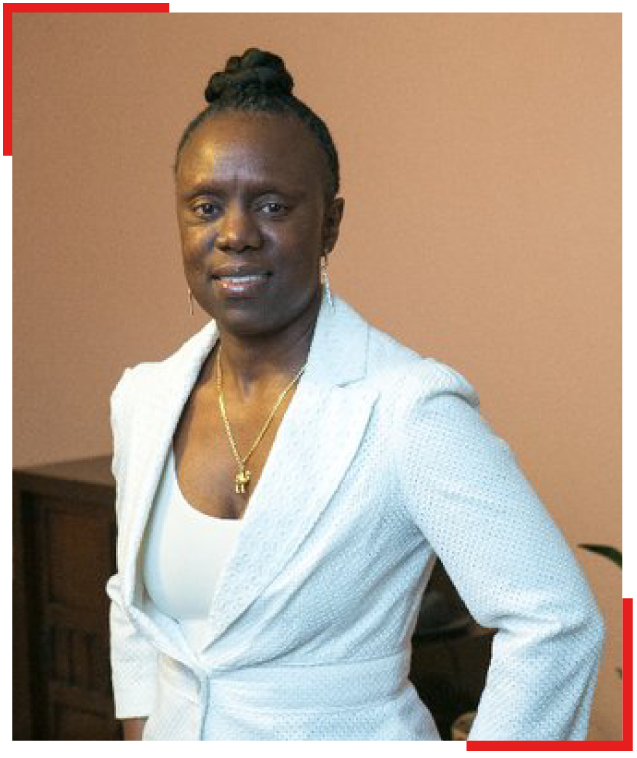
Originally from Toronto, Canada, J.R. Dash led JAFA in the 1980s–90s, shaping its early growth. She built bridges between the African Diaspora and Japan through events, lectures, and youth programs.
Her leadership gave JAFA visibility in Tokyo’s international community, highlighting Afro-Canadian perspectives and fostering exchanges between African American and Japanese creatives.
Leadership Highlights
Organized events with embassies, universities, and cultural centers
Promoted Afro-Canadian perspectives in JAFA’s work
Supported youth and language exchange programs
Encouraged artistic collaborations across cultures
“We saw JAFA not only as an organization, but as a bridge between peoples. From Canada to Tokyo, the message was the same: we’re stronger when we connect.” — J.R. Dash
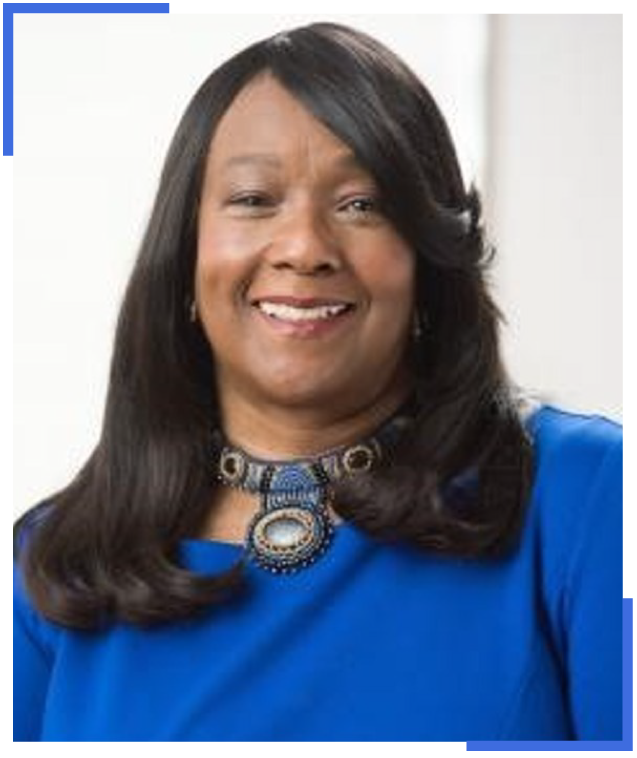
Iris Harvey served as President of JAFA in Tokyo during a pivotal period of growth in the late 1980s and early 1990s. A seasoned marketing executive and trailblazing leader, Ms. Harvey brought vision, professionalism, and strategic outreach to JAFA’s mission of fostering friendship and cultural understanding between African Americans, Japanese, and members of the African Diaspora.
Originally from the United States, Iris built a successful international career in Fortune 500 corporations. In Japan, as an entrepreneur, her firm served Japanese and foreign companies. During her time in Tokyo, she became a passionate advocate for community-building, cross-cultural dialogue, and women’s leadership, aligning naturally with JAFA’s values.
Her leadership helped position JAFA as a respected platform for advocacy, cultural education, and friendship during a time
when few organizations were addressing the intersection of race, culture, and diplomacy in Japan.
Following her time in Japan, Iris returned to the U.S. and transitioned into nonprofit leadership and higher education
administration. She went on to serve as President and CEO of Planned Parenthood of Greater Ohio and Vice President for
University Relations at Kent State University, where she continued her commitment to equity, women’s health, and global learning.
“In Tokyo, JAFA offered a sense of belonging and purpose. It gave voice to our shared stories, challenged isolation, and reminded us that cross-cultural friendship is both healing and revolutionary.” — Iris Harvey
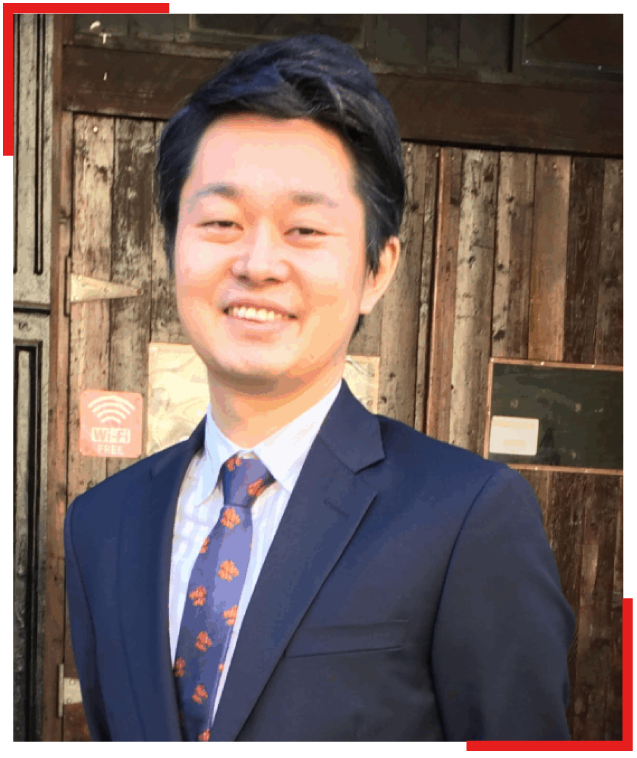
Professor Michio Arimitsu is one of Japan’s foremost scholars in African American literature, comparative culture, and diaspora studies. A faculty member in the Department of Law and Political Science at Keio University, he has dedicated his academic career to exploring the cultural connections between the United States, Africa, and Asia—particularly the role of African American literature and thought in global contexts.
Professor Arimitsu earned his doctorate at Harvard University, where he specialized in African American literary traditions and their global resonance. His scholarship bridges postcolonial theory, American Studies, and Japanese intellectual engagement with race, identity, and civil rights.
As a contemporary supporter of JAFA, Professor Arimitsu actively promotes its mission through public dialogue, educational initiatives, and scholarly collaboration. His support affirms the enduring relevance of JAFA’s work in fostering mutual respect and understanding between Japan and the African American community—and by extension, strengthening U.S.–Japan relations through cultural diplomacy.
Professor Arimitsu frequently speaks at conferences, symposia, and JAFA-affiliated programs, offering insight into how literature and cultural memory can serve as bridges between nations. His lectures highlight the importance of empathy, education, and historical consciousness in building enduring international friendships.
“Literature, memory, and friendship are powerful forms of diplomacy. JAFA offers a human bridge between Japan and the United States—linking hearts, histories, and hopes across oceans.” — Professor Michio Arimitsu
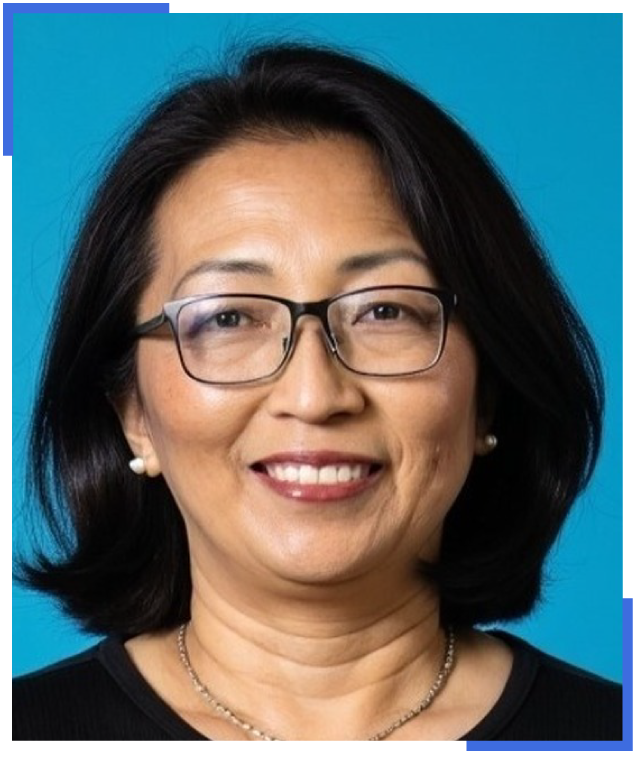
Fujiko Gordon is a dedicated cultural bridge-builder who served as one of JAFA’s early officers during its formative years in Tokyo in the 1980s.
A native of Japan, Fujiko was among the first Japanese members to step into an active leadership role within JAFA, helping to foster a welcoming, inclusive environment that celebrated cultural exchange, dialogue, and friendship between Japanese and African American communities. Her bilingual skills, bicultural fluency, and strong belief in people-to-people connection made her an invaluable part of JAFA’s early success.
Now residing in California, Fujiko remains a proud supporter of JAFA’s mission and legacy. Her contributions laid the foundation for JAFA’s cross-cultural work and continue to inspire new generations of members dedicated to unity, understanding, and global friendship.
“JAFA gave us the chance to connect across cultures—not just through programs, but through shared respect, laughter, and purpose. Those bonds still live on.” — Fujiko Gordon
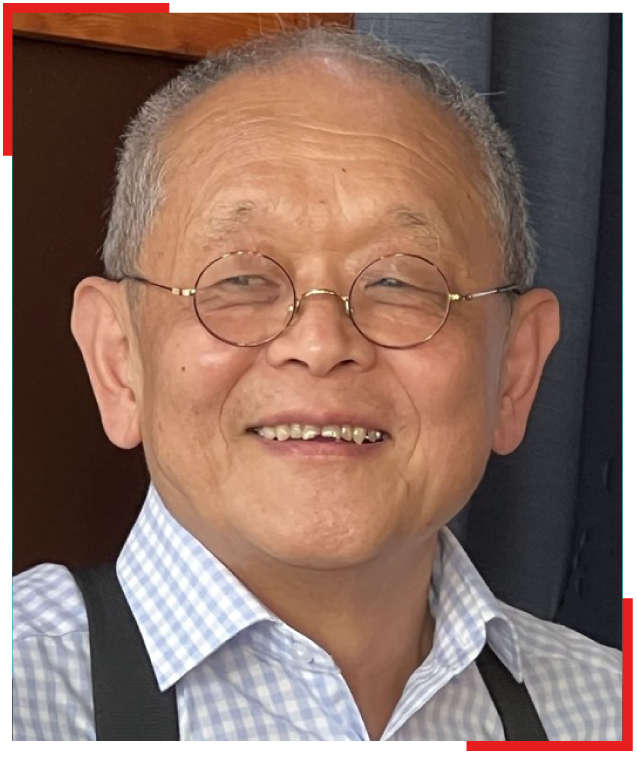
A Voice for Cross-Cultural Equity and Language Empowerment
Nicky Sekino brought a dynamic and thoughtful presence to JAFA during his time as president in Tokyo.
With a background in education and intercultural communication, he expanded JAFA’s reach by championing meaningful, on-the-ground engagement between African American and Japanese communities.
Born and raised in Japan, Nicky developed a lifelong commitment to exploring the intersections of race, language, and identity. His leadership at JAFA reflected a deep awareness of how language—and who gets to use it—shapes understanding across cultures.
Outside of JAFA, Nicky is known for founding the Drive for Quality Education of English (DQEE), an initiative aimed at improving English instruction through critical pedagogy and learner-centered methods. He has published several English training books and continues to mentor students and teachers across Japan.
He also serves as a business consultant, bringing a grounded and humble sensibility to his work—qualities he carried into his leadership at JAFA.
“Language is more than grammar—it’s a gateway to empathy, dignity, and deeper connection. That’s why I’ve dedicated my life to teaching.” – Nicky Sekino
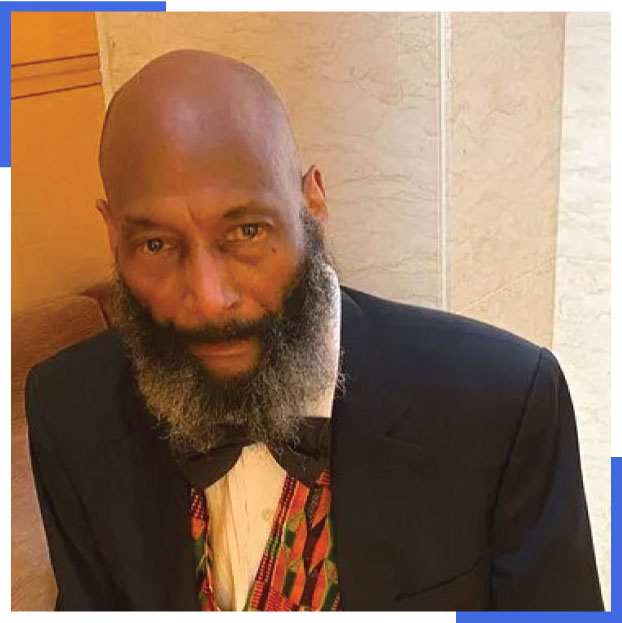
Teaching at TUJ since 1982, Professor Williams is its longest-serving faculty member and a respected authority in African American Studies, History, and Cross-Cultural Communication.
As an educator and mentor, he has guided generations of students while building bridges between Japan and the global Black experience.
Beyond academia, he has been active in Japan’s Black community, speaking at cultural events, fostering dialogue, and supporting Afro-Japanese connections. He also offered the opening toast at Tokyo’s first public Juneteenth celebration, symbolizing his lifelong dedication to justice and cultural solidarity.
His involvement with JAFA reflects its founding spirit-education, friendship, and mutual respect—values he continues to champion in classrooms and communities.
“JAFA showed how respect, learning, and friendship could shape futures.” — Prof. Michael Williams
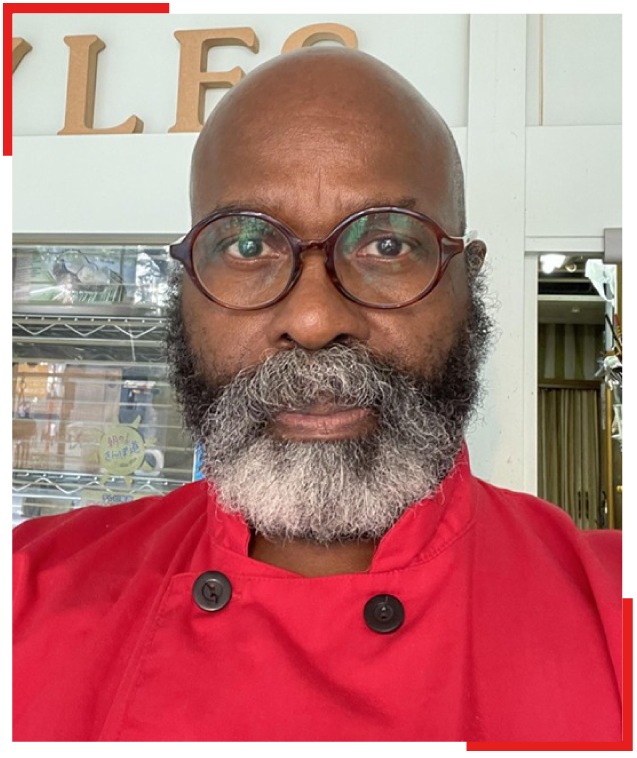
Kyle Sexton has been a vital force in Japan’s Black community for over 30 years. As former President of JAFA, Kyle brought new life to the association’s mission of cultural connection and mutual respect.
Today, he leads JAFA Japan in building new pathways to expand its national presence and impact.
A native of York, Pennsylvania, Kyle arrived in Japan with $300 and a dream—and went on to establish one of Tokyo’s most beloved Black-owned bakeries: Kyle’s Good Finds. Famous for its American-style pies, cakes, and warm hospitality, the bakery near Nakano Station has become much more than a shop. It is a hub for community, storytelling, and cultural exchange.
Whether hosting cross-cultural events or serving up his signature carrot cake, Kyle embodies the belief that bridges are built through openness, care, and consistency. His leadership continues to guide JAFA’s future—rooted in unity and the joy of shared experiences.
“We build community by showing up—for each other, for culture, and for the future.” — Kyle Sexton

Kumi Anazawa Conner served as a past president of JAFA in Tokyo, where she played an instrumental role in strengthening cultural exchange and deepening community ties between African Americans, Japanese, and people of African descent living in Japan. Her leadership reflected the heart of JAFA’s mission— promoting understanding, dignity, and cooperation across cultures.
A native of Japan, Ms. Conner brought cross-cultural fluency, organizational energy, and a deep commitment to justice during her tenure in Tokyo. She also lead JAFA’s programs in youth engagement, international forums, and outreach to bicultural families and individuals seeking belonging in a global context.
Now residing in California, Kumi remains a passionate supporter of JAFA’s values. She remains engaged in community service and cross-cultural initiatives, and her enduring belief in friendship as a force for global unity.
“JAFA gives us a way to connect—across language, race, and borders. It was about learning from one another, celebrating who we are, and building something meaningful together.”
— Kumi Anazawa Conner
Be part of our community, building friendships, understanding, and creating new opportunities.